The dumpster price may seem straightforward, but not when the bill arrives. The business person arranges a dumpster rental, notices a quoted price, and then questions where the additional money on the final invoice came from. The solution, in most cases, isn’t fraud. It’s just the costs associated with the rental that aren’t discussed up front. To know what you will actually pay when you rent something, it’s better to get the full picture before doing so for your business needs, such as office, warehouse, and retail renovations.
Here is the true story. Searching for “roll-off dumpster rental near me” usually includes a fixed cost that covers the dumpster, delivery, pickup, and a set weight limit for a certain number of days. That base price is the first thing you see. The rest will depend upon what goes inside it and for how long.
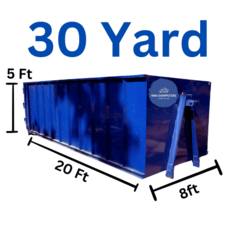
Local rates at RMS Dumpsters & Services LLC start at about 200 dollars for a 10-yard dumpster and go up to almost 500 dollars for a 40-yard dumpster. There are various other dumpsters available, such as the 12-, 15-, 20-, and 30-yard dumpsters. Prices increase with dumpster size, but in some cases, the weight of the waste plays a more crucial role than the volume.
What the Base Price Actually Covers
Think of the starting rate as a package, not a single line item. For most Omaha rentals, it includes:
- The dumpster itself, in the size you picked
- Delivery to your site
- Pickup when you are done
- A weight allowance measured in tons
- A rental window, usually around seven days
Keep it inside those limits, and the quote is the quote. That is the whole point. The price gets set before the truck even leaves the yard, and you pay what you were told.
Where the Extra Costs Come From
Now the part people forget. A few situations add to the bill, and none of them are random. They happen for a reason, and you can plan around all of them.
- Overage fees when your load passes the weight allowance
- Extra day charges if you keep the bin longer than the rental window
- A dry run fee if the driver arrives and cannot drop the container
- A city permit if the dumpster sits on the street instead of your property
The dry run one catches businesses off guard the most. Perhaps a delivery van is parked in the spot, or a gate is locked, or the path is too tight for the truck. The driver still burned fuel and time getting there. So the fee covers that trip. Clear the drop zone before delivery day, and you never pay it.
The permit question depends on where the box goes. On your own lot, no permit. On a public street, your city may want one. It is worth a quick call to check, because a ticket would cost more than the permit would.
Why Weight Changes the Price So Much
This part trips up a lot of first-time renters. Trucks have legal weight limits for hauling. Concrete, brick, dirt, and roofing shingles get heavy fast, and a single dumpster of that material can push past what a truck is allowed to carry. That is why heavy debris gets its own rules.
The fix is easy. Tell the yard what you are tossing before you book. A warehouse cleanout full of cardboard and old furniture is one conversation. A demolition full of broken concrete is another. Same company, different container, different plan. Naming the material up front is the single best way to avoid a surprise weight charge.
Matching the Bin Size to Your Business Job
Size is where much of the guessing happens, so here is a simpler way to think about it. The job usually points to the container on its own.
- A roofing tear-off depends more on weight than on space. Shingles are dense, so a 15- or 20-yard often does the work of a bigger box.
- An office or retail cleanout mostly consists of light, bulky stuff. Old desks, shelving, boxes. A 20– or 30-yard fill meets the need without the top-weight worry.
- A restaurant remodel mixes fixtures, tile, and packaging. A 20-yard tends to fit, though tile and grout add weight fast.
- A full demolition is the 40-yard job. Those run about 20 feet long and 6 feet high, built for the serious cleanouts.
Guess too small, and you pay for a second haul. Guess too big, and you pay for air you never used. When the size is not obvious, describe the debris on the phone and let the yard call it. That one habit saves more money than any coupon.
One-Time Drop Or Recurring Service
Businesses do not all rent the same way, and the cost follows the pattern you need. A retail remodel might need one bin for a week. A busy warehouse might need a steady swap-out on a regular schedule. Both work. Recurring rentals tend to make sense when waste keeps piling up week after week, since you are not paying for a fresh delivery each time you fill a box.
I think the recurring option gets overlooked more than it should. Owners assume a contract locks them in or costs more. Often, it just keeps the site clear and the billing predictable, which, for a property manager or a manufacturing floor, is worth a lot.
Questions to Ask Before You Book
You can keep your total honest by asking a few things up front. It takes two minutes on the phone.
- What weight allowance comes with this size
- What happens if I go over that weight
- How many rental days are included
- Is a permit needed for my drop spot?
- Do you take my type of debris?
Ask those, clear your drop zone, match the bin to the job, and the price you hear is close to the price you pay. That is really what a fair roll-off rental comes down to. Not the lowest sticker number, but a quote with no games behind it.
So the real answer to what Omaha businesses pay is this. You pay for the container, the haul, and the weight, plus a little extra only when the job calls for it. Know those pieces, and you stay in control of the bill from the first call to the final pickup.
