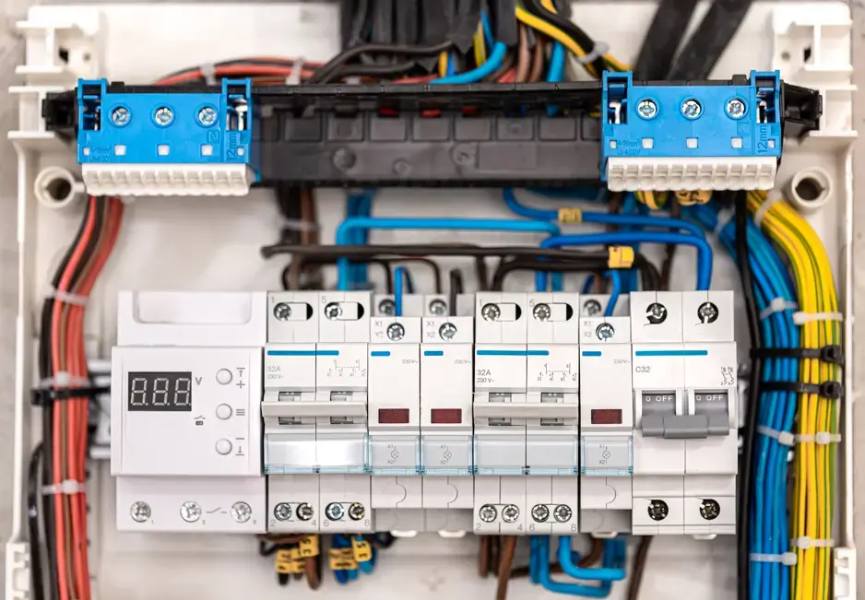
Every circuit in your home runs through one gray box. The panel takes power from the utility line and splits it across your lights, outlets, furnace, and appliances, and it cuts a circuit off the instant something overloads. When that box starts acting up, everything downstream becomes a question mark. That is usually the moment people start searching for electrical panel repair in Indianapolis and hoping the answer is a cheap one. Sometimes it is. A single bad breaker costs little to swap. Other times the panel itself is the hazard, and repairing one piece of it solves nothing.
Who does the assessing matters as much as the answer. A company on commission has a reason to push the expensive option every time. A local outfit like Zimmerman Electric Indy works differently. The family-owned company carries an A+ BBB rating, quotes upfront pricing with zero-pressure estimates, and puts Master Electricians on the diagnosis instead of a salesperson with a tablet. When the fix is a forty dollar breaker, you hear that. When the panel needs to go, you hear why, in plain language.
So which one do you have? The rest of this guide walks through the warning signs and the way electrical panel repair in Indianapolis gets weighed against full replacement.
What Are the Common Signs of a Faulty Electrical Panel?
Panels rarely fail without notice. They complain first, and most of the complaints are easy to explain away until something burns.
Watch for these signs at your panel or around the house:
- Breakers that trip over and over on the same circuit
- Fuses that keep blowing in an older fuse box
- Lights that flicker or dim when an appliance kicks on
- A buzzing, crackling, or humming sound from the panel
- A burning or fishy smell near the box
- Heat you can feel on the panel door
- Rust, corrosion, or scorch marks on or inside the enclosure
- Breakers that will not reset or feel loose in their slots
One of these might be minor. A tripping breaker can mean nothing more than an overloaded circuit. The dangerous cases look almost the same from the outside though. That same tripping pattern can also mean a failing breaker or a loose connection that arcs behind the cover, and arcing is how electrical fires start. Heat, smells, and sounds deserve a call the same day. A panel fault sits at the worst possible spot, the point where every circuit in the home meets.
When Can an Electrical Panel Be Repaired?
Plenty of panel problems are honestly small. A single breaker wears out after years of cycling and gets replaced in under an hour. A connection works itself loose and gets tightened and retested. A damaged main lug, a corroded neutral bar connection, a breaker that was never sized right for its circuit. All serviceable, assuming the panel around them is still sound.
Repair makes sense when the enclosure is clean and dry, the bus bars show no pitting or heat damage, the brand is reputable, and the amperage still fits how you live. A 200 amp panel from a quality manufacturer with one cranky breaker does not need replacing. It needs a part.
The catch is that you cannot confirm any of this from the outside. A breaker that keeps tripping might be the problem, or it might be the only thing standing between you and a wiring fault somewhere in the wall. A professional finds out with load testing, thermal readings, and a torque check on the connections before replacing anything. Guessing at the cause and swapping components until the symptom stops is how hidden faults stay hidden.
When Does an Electrical Panel Need to Be Replaced?
Some panels are past saving. Replacement is the right call when the damage or the design runs through the whole box.
Severe corrosion is one clear line. Once moisture works into the bus bars, no single repair brings the panel back, and corroded connections build heat. Widespread scorching or melted insulation is another. So is obsolete equipment. Fuse boxes and 60 amp services belong to an era when a house ran a refrigerator, a few lamps, and a television. Federal Pacific and Zinsco panels deserve their own mention here. Both brands have documented histories of breakers failing to trip under fault conditions, which means the safety device itself is the defect. Many insurers in Indiana now surcharge or refuse coverage on homes that still have them, and no repair fixes a design flaw.
Capacity forces the issue too. A panel that cannot support the property’s demands will not get a licensed sign-off for a kitchen remodel, a hot tub, or a Level 2 EV charger stacked on top. Pre-1980 homes across Irvington, Broad Ripple, and Meridian-Kessler often run 60 to 100 amp service, and modern loads push those systems to their limit on an ordinary Tuesday. A 200 amp replacement settles safety and capacity in one permitted project. In Indianapolis the permit runs through the Department of Business and Neighborhood Services, with a final inspection behind it.
What Factors Affect the Repair vs. Replacement Decision?
Age comes first. A panel under 25 years old with one failed component is a repair story. A panel past 40 is a replacement story almost regardless of the symptom, because every other component inside it has the same mileage as the one that failed.
Extent of damage comes second, and cost follows from it. Replacing two breakers is cheap. Replacing five breakers, a bus bar, and a main lug on an aging panel can approach the cost of a new panel while leaving you with old equipment.
Then comes what you plan to ask of the system. An EV in the driveway next year, a finished basement, a new HVAC unit. Repairs restore yesterday’s capacity. They add nothing for tomorrow. And code sits over all of it. Work at the panel can trigger requirements for grounding, GFCI, and AFCI protection that an older installation never had, which sometimes tips a borderline repair toward replacement.
Why Should a Professional Electrician Inspect the Panel?
Because the visible symptom is rarely the whole story. A licensed electrician can open the panel safely, test under load, and spot the loose connection or overheated lug that a homeowner with a flashlight never sees. The panel is also the one place in the house where a mistake is immediate. The service side of the equipment stays energized even with the main breaker off, which is why DIY panel work injures people every year.
A proper inspection ends with a diagnosis you can check. Which parts failed, what caused it, what a repair covers, and what a replacement costs. That paper trail matters later, for insurance and for resale. Unpermitted panel work has a way of surfacing during a home sale at the worst moment, with the buyer’s inspector holding the report.
Repair or Replace, the Panel Decides
A faulty panel with sound bones can usually be repaired. A corroded, obsolete, undersized, or defective one needs to go, and stalling only adds years of risk. The one wrong answer is ignoring the warning signs, since a panel problem never stays the same size. If anything on the warning list above sounds familiar, have it looked at this week. Call Zimmerman Electric Indy at (317) 939-9197 for a free assessment, or request an estimate online and get an honest answer within 24 hours.
Frequently Asked Questions
How Do I Know if My Electrical Panel Is Faulty?
Repeated breaker trips, flickering lights, buzzing sounds, heat at the panel door, burning smells, rust, or breakers that will not reset all point to a fault. Any one of these justifies a professional inspection. Smells, sounds, and heat justify one immediately.
Can a Circuit Breaker Panel Be Repaired?
Often, yes. Individual breakers, loose connections, and damaged lugs are all serviceable when the enclosure and bus bars remain in good condition. The repair only holds if testing confirms the true cause first, since a failing breaker sometimes masks a deeper wiring fault.
How Long Does an Electrical Panel Typically Last?
Most panels last 25 to 40 years. Hard use, moisture, and Indiana’s storm-heavy summers can shorten that. Federal Pacific and Zinsco panels are the exception, since their defects make age beside the point. Those warrant replacement whenever they are found.
What Are the Signs That I Need a New Electrical Panel?
Widespread corrosion or scorching, a fuse box, 60 or 100 amp service straining under modern loads, a Federal Pacific or Zinsco label, or repair costs approaching replacement cost. Insurance trouble tied to the panel brand is another strong signal.
Is It Safe to Use a Damaged or Overheating Electrical Panel?
No. An overheating panel is actively degrading its connections, and heat at the main distribution point puts every circuit in the home at risk. Shut off what you can, keep the area clear, and call a licensed electrician the same day.
