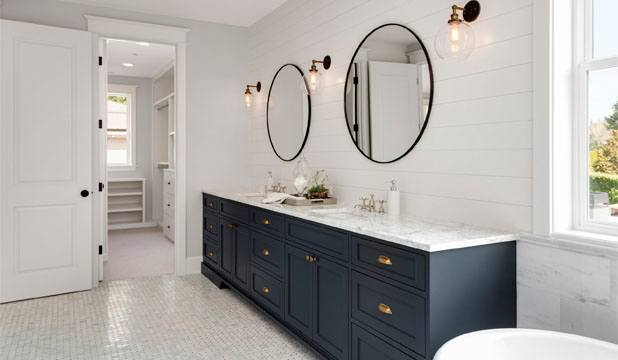
Most bathroom accidents do not happen to careless people. They happen to ordinary people, in ordinary bathrooms, on mornings that started like any other. The CDC counted an estimated 234,094 bathroom injuries treated in US emergency rooms in a single year, and about 81 percent of those injuries came from falls. Wet tile, hard edges, and poor lighting do most of the damage. A bathroom can look beautiful in photos and still work against the people who use it every day.
Here is where a skilled bathroom remodeler earns their fee. Almost anyone can swap a vanity or lay new tile. But the real protection takes place earlier, in the decisions made in the planning process that you never even see when the walls finally close around you. A good remodeler is not designing a room to photograph. They are designing it for year ten, when the house has changed, and perhaps you have too.
Local firms treat this planning stage as the real project. Companies like WellCraft Kitchen & Bath, Sterling, VA, begin by conducting an in-home consultation and measuring before selecting any materials, as the layout must address all safety concerns first. This is also when permits and codes are taken care of, which are more important than people think. Code minimums exist because someone got hurt.
Why Bathroom Safety Planning Starts Before Demolition Day
Some safety choices can only happen while the walls are open. Grab bar blocking is the clearest case. A grab bar rated to hold body weight needs solid wood backing inside the wall, not just drywall anchors. Skip that backing during framing, and you cannot add it later without tearing out finished tile. A careful remodeler installs blocking in the shower, beside the tub, and near the toilet even if you want no bars today. The backing costs little now and saves a full renovation later.
The same logic applies to curbless showers. The absence of a step on the entrance to the shower would require the floor frame to slope towards the drain, an issue of framing, not finishing. The installation of anti-scald valves, non-slip floor tiles, and lights over the shower also fall under this requirement. Plan them early or pay twice.
Accessibility Choices That Work at Every Age
People tend to assume accessibility means hospital-style equipment. That assumption costs them. The same CDC report found injury rates climbing from 4.1 per 100,000 among people aged 15 to 24 to 266.6 per 100,000 among those 85 and older. The bathroom stays the same. The person changes. Good planning accepts that in advance.
Modern accessible design mostly hides in plain sight. A 36-inch doorway just reads as generous. The slide-mounted hand-held shower is beneficial for both a teenage boy who’s grown to be very tall and a wobbly grandparent. Comfort-height toilets, pull-levers rather than knobs, and the shower seat can all be considered stylistic additions. A thoughtfully designed bathroom never reminds anyone of mobility. That is rather the point.
Think about who might use this bathroom over the next two decades. Your parents visiting for a week. A family member recovering from knee surgery. You, someday, on a bad morning. Planning for those moments now costs a fraction of an emergency retrofit later, and it spares you the harder conversation about whether the house still works at all.
Where Long-Term Value Hides Behind the Tile
Resale value in a bathroom rarely comes from the parts that photograph well. Buyers and home inspectors look for the boring things. Proper waterproofing membranes behind the shower walls. A ventilation fan actually sized for the room, since an undersized fan invites the slow mold and moisture damage that quietly ruins a renovation from inside the wall. Access panels that let a plumber reach the valves without cutting drywall.
To be fair, not every safety upgrade returns its cost at sale. A curbless shower probably will. Extra blocking behind the walls will not show up on any appraisal. But the problems become worse in the other direction. Just one water stain on the ceiling under a bathroom can be enough to prevent a sale before an old vanity ever can, as it tells the buyer that other shortcuts were taken as well.
Water-Resistant, Wear-Resistant, and Timeless Materials
In choosing materials, we find where safety and value intersect. Porcelain tile that has a texture to its surface will provide much more traction than a smooth polished stone, while at the same time being impervious to moisture that could potentially cause staining of marble. Large tiles will reduce grout joints and eliminate the need to clean and re-grout.
Good pressure balancing valves will regulate temperature regardless of whether someone flushes the toilet somewhere else in the home. It requires someone in the showroom who explains the trade-offs honestly before you commit. The remodeling process at most reputable firms includes a material selection stage for exactly this reason. Use it to ask hard questions, not just to pick colors.
Questions to Ask a Bathroom Remodeler During Planning
Bring this short list to your first consultation:
- Will you install grab bar blocking in the walls even if no bars are installed now?
- What slip rating does the proposed floor tile carry when wet?
- How is the shower waterproofed behind the tile, and what is the warranty on that work?
- Is the ventilation fan sized to the room’s actual dimensions?
- Who pulls the permits, and who meets the inspector?
A remodeler who answers these quickly and specifically is thinking the way you want them to think. Vague answers on any of the five are your cue to keep looking.
A bathroom gets remodeled perhaps once every twenty years. The decisions made in the first two weeks of planning decide whether it protects your household for all of them. If a project is on your list, start with a planning conversation rather than a tile catalog, and schedule a design consultation to walk through your space before anything gets torn out.
