• Walking in Tradition: The Timeless Craftsmanship Behind Handmade Footwear

    Walking in Tradition: The Timeless Craftsmanship Behind Handmade Footwear

    The art of creating authentic moccasins stretches back generations across Indigenous communities throughout North America. These aren’t simply shoes but rather cultural expressions that carry the wisdom of countless artisans. Each pair tells a story of survival, adaptation, and the deep connection between people and the natural world around them.

    Canadian moccasins showcase the rich diversity of regional crafting traditions found across the country’s vast landscape. From the rugged coastlines of British Columbia to the prairies of Saskatchewan, different communities developed unique approaches to footwear construction. The materials available in each region shaped these distinct styles, creating variations that remain recognisable today.

    Canadian native moccasins demonstrate the sophisticated understanding Indigenous artisans possessed regarding foot mechanics and comfort. The soft leather construction allows natural foot movement that rigid modern shoes often restrict. This flexibility prevents the pressure points and friction that cause discomfort in conventional footwear, explaining why many people find handmade moccasins immediately comfortable.

    Traditional Construction Methods

    • Hide Selection And Preparation: Master craftspeople carefully choose specific types of leather based on intended use and seasonal requirements. Moose hide offers durability for outdoor activities, deer hide provides softness for indoor wear, and elk hide strikes a balance between the two. The tanning process involves traditional methods passed down through families, creating leather that remains supple yet strong.
    • Stitching Techniques: Hand-stitching creates seams that distribute stress evenly across the shoe structure. Traditional sinew threading offers superior strength compared to modern synthetic alternatives. The stitching patterns serve both functional and decorative purposes, with specific designs carrying cultural significance within different communities.

    Modern Comfort Through Ancient Wisdom

    The construction philosophy behind traditional moccasins aligns perfectly with contemporary understanding of foot health. Podiatrists often recommend flexible footwear that allows natural toe movement and proper arch function. These handmade shoes accomplish both goals through their soft sole design and accommodating upper construction.

    Natural materials breathe better than synthetic alternatives, reducing moisture buildup that causes odours and bacterial growth. The leather gradually moulds to each wearer’s foot shape, creating a custom fit that improves over time. This personalisation process explains why moccasins become more comfortable with regular wear rather than breaking down.

    Regional Style Variations

    Different geographical areas developed distinctive construction approaches based on local conditions and available materials. Plains communities created styles suited for grassland terrain, forest peoples designed shoes for woodland environments, and coastal groups crafted footwear appropriate for shoreline activities. These regional differences remain visible in contemporary handmade pieces.

    Traditional Design Elements:

    • Decorative beadwork reflecting tribal artistic traditions
    • Fringe details that serve both aesthetic and practical purposes
    • Distinctive toe shapes adapted to specific terrain types
    • Seasonal variations for warm weather and winter conditions
    • Sacred symbols incorporated into decorative elements

    Care And Longevity

    Proper maintenance ensures handmade moccasins provide years of comfortable wear. Regular cleaning with appropriate leather conditioners keeps the material supple and prevents cracking. Storage in breathable containers protects against moisture damage and maintains shape integrity. Simple repair techniques can extend the lifespan significantly compared to mass-produced alternatives.

    The investment in quality handmade footwear often proves economical over time. Well-constructed moccasins can last decades with proper care, while factory-made shoes typically require replacement within months. This durability reflects the superior materials and construction methods employed by skilled artisans.

    Conclusion

    Traditional moccasins represent the perfect marriage of cultural heritage and practical functionality. These handcrafted shoes offer comfort that modern manufacturing struggles to replicate through their use of natural materials and time-tested construction techniques. Consider exploring authentic handmade moccasins to experience the remarkable comfort and cultural significance these traditional shoes provide.

    Featured Image Source: https://wolfden.ca/wp-content/uploads/2025/07/653new.jpg

  • The Hidden Risks of DIY Corporate Tax Filing

    The Hidden Risks of DIY Corporate Tax Filing

    Canadian businesses face mounting pressure to cut costs wherever possible. Many owners believe handling corporate taxes internally saves money and maintains control over sensitive financial information. This approach seems logical on the surface, yet it creates significant vulnerabilities that can prove far more expensive than professional fees.

    The complexity of Canadian corporate tax legislation makes mistakes almost inevitable for untrained individuals. A corporate tax accountant brings specialized knowledge of federal and provincial requirements, ensuring compliance across multiple jurisdictions. Business owners often underestimate the intricate nature of tax codes, deduction eligibility, and filing deadlines that govern corporate obligations.

    Small errors in corporate tax preparation can trigger CRA investigations lasting months or years. Audit processes consume valuable management time whilst creating uncertainty that affects business operations and stakeholder confidence. Professional tax preparers understand audit triggers and structure filings to minimize scrutiny from revenue authorities.

    Common DIY Tax Filing Pitfalls

    • Missed Deduction Opportunities: Business owners frequently overlook legitimate tax deductions due to unfamiliarity with allowable expenses. Capital cost allowances, scientific research credits, and small business deductions require precise calculations and proper documentation. These oversights directly impact bottom-line profitability and competitive positioning within respective industries.
    • Filing Deadline Confusion: Corporate tax deadlines vary based on business structure, fiscal year-end dates, and provincial requirements. Missing deadlines triggers automatic penalties and interest charges that accumulate daily. Late filing penalties can reach thousands of dollars, far exceeding the cost of professional preparation services.
    • Incorrect Income Recognition: Revenue recognition rules affect timing of income inclusion and tax liability calculations. Businesses operating across provinces face additional complexity regarding allocation of income and expenses. Misapplication of these rules can result in significant over or underpayment of taxes owed.

    Financial Consequences of Tax Mistakes

    • Penalty Accumulation: CRA penalties compound quickly when errors are discovered during audits or reassessments. Gross negligence penalties can reach 50% of additional taxes owing, creating devastating financial impacts. Interest charges apply from original due dates, making delayed corrections extremely expensive for cash-strapped businesses.
    • Audit Exposure Risks: DIY tax returns often contain red flags that increase audit probability significantly. Professional preparers understand CRA selection criteria and prepare returns to minimize examination risks. Audit defence becomes problematic when business owners cannot explain preparation decisions or support claimed deductions adequately.
      • CRA reassessments can go back four years, creating substantial retroactive liabilities that strain working capital requirements dramatically.
      • Professional indemnity insurance protects clients when tax preparers make errors, providing financial security unavailable with DIY approaches.
      • Experienced preparers maintain ongoing CRA relationships that facilitate smoother resolution of disputes and inquiries when they arise.
      • Tax planning opportunities emerge through professional analysis that saves significantly more than preparation fees over time.

     Long-Term Business Impact

    • Cash Flow Disruption: Unexpected tax assessments and penalties create immediate liquidity challenges for growing businesses. Professional tax preparation provides predictable costs and reduces financial surprises that affect operational planning. Businesses facing CRA disputes often struggle to secure financing due to uncertain tax liabilities.
    • Opportunity Cost Analysis: Management time spent on tax preparation could generate revenue through core business activities instead. Complex corporate tax issues require extensive research and learning curves that detract from strategic priorities. Professional delegation allows owners to focus on growth initiatives that create sustainable competitive advantages.

    Conclusion

    Corporate tax compliance demands expertise that most business owners simply cannot develop internally without significant time investment. The risks of DIY filing far outweigh potential savings when considering penalties, missed opportunities, and management distraction costs. Professional tax preparation provides peace of mind and financial protection that allows businesses to focus on core competencies. Contact a qualified tax professional today to discuss your corporate filing needs and protect your business from costly mistakes.

    Featured Image Source: https://media.gettyimages.com/id/1755288831/photo/tax-with-money-us-dollars-background-3d-rendered-image.jpg?s=612×612&w=0&k=20&c=NLd_uMdegFVHtm6UU6i0GSYCP-JhK_2eigZ5T8GsJfE=

  • Why EICR Certificate Costs Vary Across London Boroughs

    Why EICR Certificate Costs Vary Across London Boroughs

    Property owners across London face a puzzling reality when booking for electrical inspections of their premises. Two identical Victorian flats might receive completely different quotes, sometimes varying by hundreds of pounds.

    The EICR certificate cost in London fluctuates dramatically based on your borough location. This variation stems from several factors that many landlords don’t anticipate when budgeting for compliance.

    Local Competition Drives Pricing

    Central London boroughs like Westminster and Kensington command higher inspection fees. Electricians operating in these areas face increased business costs – parking restrictions, congestion charges, and premium office rents.

    Compare this to outer boroughs such as Croydon or Barnet. Lower overheads allow electrical contractors to offer more competitive rates. The difference can reach £150-200 for identical property types.

    Property Age Creates Complexity

    Georgian townhouses in Chelsea present unique challenges. Older wiring systems require extended inspection time and specialist knowledge. Consumer units in these properties often need detailed assessment, pushing costs upward.

    Modern developments in areas like Canary Wharf typically feature standardised electrical installations. Inspections proceed faster, reducing the overall fee structure.

    Access Issues Impact Fees

    Dense urban areas create logistical headaches. Electricians in Islington might struggle with parking restrictions and narrow streets. These operational challenges translate into higher quotes to cover additional time and travel complications.

    Suburban locations with easier property access generally see more straightforward pricing. Perhaps this explains why similar properties in Richmond cost less than their Hampstead counterparts.

    Borough-Specific Building Regulations

    Some London councils maintain a stricter interpretation of electrical safety standards. This variation influences how thorough inspections become and affects the time electricians allocate per property.

    Market Demand Shapes Availability

    High-demand areas create seller’s markets for electrical services. Boroughs with active rental sectors see increased competition for qualified electricians. Basic economics suggests prices rise when demand exceeds supply.

    Think about it – areas with numerous HMO properties require frequent RCD testing and inspections. This steady workload allows contractors to maintain premium pricing structures.

    What This Means for Property Owners

    Smart landlords compare quotes across neighbouring boroughs. Sometimes, travelling slightly further for your inspection saves considerable money without compromising quality.

    Don’t assume the most expensive quote guarantees superior service. Many excellent electricians operate in less central locations while maintaining identical qualifications and standards.

    Moving Forward

    Understanding these pricing variations helps property owners budget accurately for electrical compliance. Location remains the strongest predictor of inspection costs, but knowing why empowers better decision-making.

    The key lies in recognising that geographical pricing differences reflect real operational costs rather than arbitrary markup strategies.

    Featured Image Source: https://img.freepik.com/free-photo/view-male-engineer-work-engineers-day-celebration_23-2151615008.jpg

  • Where Innovation Meets Aesthetics: The Future of Home Design

    Where Innovation Meets Aesthetics: The Future of Home Design

    Modern residential design stands at an exciting crossroads where technological advancement meets artistic expression. Homeowners today expect spaces that reflect their personalities and support their lifestyles in ways previous generations never imagined. The future promises homes that think, adapt, and evolve with their occupants’ needs.

    Leading Indore construction company professionals recognise that tomorrow’s homes must balance visual appeal with functional intelligence. Smart building techniques incorporate automated systems that manage lighting, temperature, and security through intuitive interfaces. These technological integrations happen behind the scenes, creating comfortable environments without compromising aesthetic principles that make houses feel like homes.

    Compact living solutions like 25by50 house plan designs showcase how space constraints inspire creative architectural thinking. These efficient layouts prove that smaller footprints can deliver maximum impact through clever storage solutions and multi-functional areas. Open-plan concepts connect living spaces and create illusions of grandeur even within modest square footage limitations.

    Sustainable Design Principles

    Environmental consciousness shapes material selection and construction methods for forward-thinking projects. Solar panels integrate seamlessly into roof designs that complement rather than compromise architectural aesthetics. Rainwater collection systems and greywater recycling reduce environmental impact and create long-term cost savings for homeowners.

    Eco-Friendly Material Choices:

    • Reclaimed wood adds character and reduces forest impact
    • Bamboo flooring provides durability with rapid regeneration
    • Low-VOC paints improve indoor air quality significantly
    • Recycled metal fixtures combine style with environmental responsibility
    • Natural insulation materials regulate temperature efficiently

    Energy-efficient windows and doors create thermal barriers that reduce heating and cooling costs dramatically. These improvements often pay for themselves within five to seven years through reduced utility bills.

    Flexible Living Spaces

    Multi-Purpose Room Design: Contemporary families need spaces that adapt to changing requirements throughout different life stages. Home offices convert to guest bedrooms through modular furniture and sliding partitions. Children’s playrooms transform into study areas as young people mature and their educational needs evolve.

    Built-in storage solutions eliminate clutter and create clean lines that define modern aesthetic principles. Wall-mounted desks fold away when not needed. Murphy beds free floor space for yoga practice or exercise routines during daytime hours.

    Biophilic Design Elements

    Natural materials and living elements reduce stress and improve mental wellbeing for residents of all ages. Indoor gardens and living walls bring nature inside urban environments where outdoor space might be limited. Water features create soothing sounds that mask traffic noise and promote relaxation.

    Large windows and skylights maximise natural light penetration throughout interior spaces. This reduces dependence on artificial lighting during daylight hours and creates stronger connections between indoor and outdoor environments.

    Personalisation Through Technology

    Customised Environmental Controls: Individual family members program personal preferences for temperature, lighting, and entertainment settings. Smart homes learn from behaviour patterns and anticipate needs before occupants express them consciously. Music follows residents from room to room through distributed audio systems that activate automatically.

    Digital displays replace traditional artwork and can change themes seasonally or match current moods. These screens show family photos, weather information, or artistic content that reflects personal tastes and interests.

    Conclusion

    The future of home design promises spaces that understand and anticipate human needs through thoughtful technology integration and timeless aesthetic principles. Smart planning creates homes that grow and adapt with changing family requirements over decades of use. Contact experienced design professionals today to explore how these innovative concepts can transform your living space into a personalised sanctuary that combines beauty, functionality, and technological sophistication for modern family life.

    Featured Image Source: https://www.modernhousemaker.com/products/12116836229500002.jpg

  • What Every Control System Integrator Needs to Know About Modern Manufacturing

    What Every Control System Integrator Needs to Know About Modern Manufacturing

    Control system integrators must understand business challenges beyond just the technical specs. Success requires focusing on flexibility, security, and strategic planning rather than just equipment installation, in today’s rapidly changing manufacturing environment.

    Manufacturing plants today are under intense pressure. Companies need faster production, lower costs, and perfect quality. The old ways of doing things just don’t work anymore.

    Walk into any factory and you’ll see the problem immediately. A control system integrator faces machines that can’t communicate with each other. Legacy machines run on outdated software. Operators get frustrated trying to make sense of disconnected systems. This is where control systems engineering becomes critical.

    Solving Business Problems

    The real issue isn’t about having the latest technology. It’s about understanding what manufacturers actually need right now. Most integrators still focus on technical specifications when they should be solving business problems.

    Downtime costs are brutal. When a production line stops, companies lose money fast. Some operations lose $75,000 every hour they’re down. The traditional approach of long testing periods and slow rollouts creates too much risk.

    Modern factories want flexibility more than anything else. Product runs keep getting shorter. Customer demands change overnight. Supply chains are disrupted without warning. Control systems must handle this chaos smoothly.

    Predictive Maintenance

    Predictive maintenance has changed the game completely. Why wait for equipment to break down when fitted sensors can warn you weeks ahead of time of any issue? Smart manufacturers are moving away from reactive fixes toward proactive solutions.

    The Human Element

    Here’s what most people won’t tell you: integration projects fail regularly. Not because of technical problems, but because teams ignore the human element. Workers who’ve operated the same machines for years suddenly face computer screens and data they never wanted.

    Real-Time Visibility

    Industrial IoT platforms are becoming standard equipment, not nice-to-have additions. Manufacturers want real-time data from every process. They need visibility into operations, which was impossible just a few years ago.

    Security Concerns

    Security threats keep plant managers awake at night. Cyberattacks on manufacturing systems happen more often than anyone wants to admit. Every connected device creates a potential weak spot. Integrators who ignore cybersecurity put their clients in danger.

    Becoming a Business Advisor

    The most successful integrators have learned something important. They ask about business goals before discussing hardware. They want to know about production targets, quality requirements, and workforce capabilities first.

    Manufacturing executives view control system upgrades differently now. They see these projects as strategic investments rather than necessary expenses. They understand that the right partner doesn’t just install equipment but helps prepare for future challenges.

    Your role has expanded beyond technical implementation. You’re now a business advisor helping manufacturers navigate increasingly complex decisions. The wrong choices can destroy entire product lines.

    Change is the only constant in modern manufacturing. The question isn’t whether things will keep evolving. It’s whether you’ll adapt quickly enough to help your clients succeed in whatever comes next.

    Featured Image Source: https://img.freepik.com/free-photo/standard-quality-control-concept-m_23-2150041859.jpg?semt=ais_hybrid&w=740&q=80

  • How To Find the Best Accident Lawyer In Houston, TX

    How To Find the Best Accident Lawyer In Houston, TX

    Car accidents can ruin lives with injuries, financial and legal consequences in just a few seconds. Whether you have been in a car accident in Houston or not, proper legal representation can mean everything. Not only does an accident lawyer Houston TX lead you through complex legal procedures, but he also makes sure that insurance companies do not undervalue your claim. You can concentrate on the recovery process with the assistance of a professional as your lawyer seeks fair compensation on your behalf.

    When A Car Accident Happens In Houston, Why Do You Need Legal Assistance?

    The consequences of a car crash are associated with insurance claims, hospital bills and negligence. You can end up with less than what you rightfully deserve without a lawyer. An accident lawyer Houston TX is aware of Texas traffic regulations and personal injury legislation that play important roles in a strong case. They negotiate, collect evidence and represent you in court should the need arise.

    The Major Services Of An Accident Lawyer In Houston TX?

    Full-scale assistance encompasses a comprehensive investigation of the accident, evidence collection, review of medical records, and negotiation with insurance companies. This comprehensive approach underscores the importance of having a qualified lawyer. They also estimate future healthcare costs and salary loss in cases of severe injuries. In case of a trial, your lawyer makes sure that you have a case to present. Anyone who has been involved in a Houston car accident and is recuperating will find this support to relieve financial and emotional strains.

    Traits Of A Good Houston Automobile Accident Attorney?

    Not every lawyer has the same expertise. In finding an accident lawyer Houston TX, find one with a track record of experience in personal injury law, excellent customer reviews, and case victories. Communication and empathy are also vital; your lawyer must ensure that you feel that you are heard and that you are informed at any given moment. The fact that the person is a local also means that he is well acquainted with the courts and rules of Houston.

    What Should You Do Right After A Houston Car Accident?

    The actions you take immediately after a Houston car accident can affect your claim. First, see a doctor, even when the injuries do not seem serious. The second step involves taking photos and collecting the contact details of witnesses, as well as obtaining a police report. Then, talk to an accident lawyer Houston TX, prior to writing a lot to the insurance companies. This will ensure that you do not accidentally undermine your argument or make a poor settlement offer.

    Conclusion

    It can never be easy to recover after a Houston car accident, but with the right legal advocate, the process may become less stressful. A skilled accident lawyer Houston TX will make sure that your rights are addressed, that you have a properly prepared case, and that your compensation is actually based on the actual effects of the accident. With a professional attorney, you can focus on healing while your lawyer works to secure the justice and financial compensation you deserve.

    Featured Image Source: https://images.pexels.com/photos/532001/pexels-photo-532001.jpeg

  • Labels That Do the Talking: Make Your Brand (or Party) Unforgettable

    Labels That Do the Talking: Make Your Brand (or Party) Unforgettable

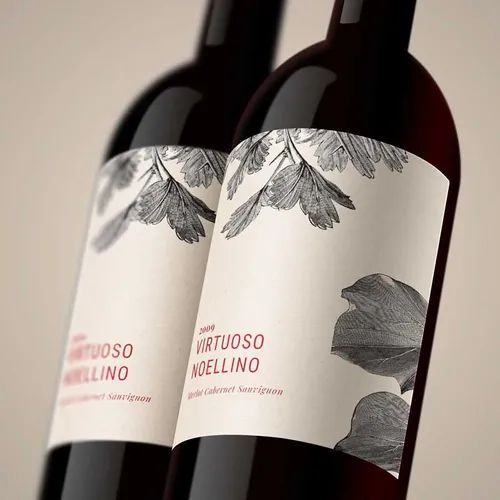
    When you’re competing for attention on crowded shelves or trying to make your special event memorable, the difference between success and obscurity often comes down to presentation. Wine bottles present unique opportunities to showcase creativity and build lasting impressions. The right label design can turn a simple bottle into a conversation starter that guests remember long after the last drop is poured.

    Personalised labels for wine bottles have become essential marketing tools for small businesses and individuals who understand the power of visual storytelling. Custom designs allow you to communicate your brand’s personality, share your story, and create emotional connections with customers. Smart business owners recognise that investing in quality label design pays dividends through increased sales, brand recognition, and customer loyalty that traditional advertising simply cannot match.

    Low cost label printing solutions have democratised professional packaging design, making high-quality results accessible to businesses of all sizes. Advanced printing technologies now deliver stunning colours, crisp text, and durable finishes at prices that won’t strain tight budgets. You no longer need to choose between professional appearance and affordability when creating labels that represent your brand with pride.

    Building Brand Recognition Through Visual Impact

    Professional Appearance Creates Instant Credibility: First impressions form within seconds of seeing your product, and potential customers make purchasing decisions based largely on visual appeal. Quality labels signal that you care about every detail of your product, from contents to presentation. This attention to detail translates into perceived value and trustworthiness that customers associate with premium brands worth their money.

    Poor labelling choices can undermine even exceptional products, causing potential customers to question quality before they’ve tasted a single sip. Professional labels eliminate doubt and position your wine as a serious contender in competitive markets. The investment in quality design pays for itself through increased sales and reduced marketing costs.

    Storytelling That Connects With Customers

    Personal Narratives Drive Emotional Purchases: Wine purchases often involve emotional decision-making, and labels provide the perfect platform for sharing your story. Whether you’re highlighting family traditions, local ingredients, or unique production methods, custom labels give you space to create meaningful connections with buyers who value authenticity and craftsmanship.

    Effective wine labels go beyond basic product information to communicate values, heritage, and passion. Smart design choices help customers understand what makes your wine special and why they should choose it over competing products. This emotional connection often leads to repeat purchases and word-of-mouth recommendations that money can’t buy.

    Design Elements That Drive Sales

    Colour Psychology Influences Buying Decisions: Different colours evoke specific emotions and associations that can either attract or repel potential customers. Understanding colour psychology helps you choose palettes that align with your brand message and appeal to your target audience. Deep reds might suggest richness and tradition, pale colours could imply elegance and sophistication.

    Typography choices also communicate personality and quality expectations. Script fonts might suggest artisanal craftsmanship, clean modern fonts could appeal to contemporary tastes. Getting these details right can mean the difference between browsers and buyers who reach for your bottle first.

    Practical Applications for Different Markets

    • Small Wineries Build Recognition: Boutique wineries use custom labels to differentiate their products from mass-market competitors and justify premium pricing. Limited edition designs create urgency and collectibility that encourages repeat purchases.
    • Home Brewers Share Passion: Amateur winemakers transform hobby projects into professional-looking gifts through quality labelling. Custom designs turn homemade wines into thoughtful presents that friends and family treasure.
    • Event Hosts Create Memories: Wedding planners, party organisers, and corporate event managers use personalised wine labels to commemorate special occasions. These keepsakes extend the celebration beyond the event itself and provide lasting reminders of meaningful moments.
      • Custom labels work particularly well for anniversary celebrations where couples want unique mementos.
      • Corporate events benefit from branded bottles that reinforce company messaging long after guests go home.
      • Wedding favours featuring custom labels become treasured keepsakes that couples display proudly.

    The Bottom Line

    Quality wine labels represent smart investments in brand building and customer relationships that deliver measurable returns. Whether you’re launching a commercial venture or planning a special celebration, professional labelling transforms ordinary bottles into powerful marketing tools that speak volumes about your attention to detail and commitment to excellence. Ready to create labels that make lasting impressions? Explore custom printing options that fit your budget and bring your vision to life.

    Featured Image Source: https://degqkf7c4iqz7.cloudfront.net/labexonpr/images/opt/products_gallery_images/Premium-Wine-Labels-Merlot-Zoom.jpg.webp?v=7055

  • Getting Wrongfully Accused In A Criminal Case

    Getting Wrongfully Accused In A Criminal Case

    While the laws are made to protect the innocent and the victim, acting as a shield for the weaker, it is often misused to harm those. When a section of society is not that affluent, or for any other reason, is negligent of the law and their rights, it is easy to get them all wrapped up, even if there is a clear and clean way out. To top that, a legal battle is never easy, and if it is a criminal case, it will impact almost all aspects of your life. Attending court dates and proving your innocence can be much more draining, emotionally, physically, and financially. And the social stigma that comes with a criminal case is something most people cannot deal with.

    The best way out of a false criminal case is through the help of a good criminal lawyer Toronto. Apart from being the subject matter experts in the field of criminal law in Toronto and holding a degree in the field, their experience is what makes them exactly what you need. They have years of experience in defending people who have been wrongfully accused of a criminal act that the person did not commit, or was not involved in at all. They know how to gather evidence and present it to build a case and prove our innocence. In fact, if your lawyer is capable enough, not only will they prove your innocence, but they will also get you compensated for being wrongfully accused.

    When To Approach A Criminal Lawyer

    Although a good criminal lawyer is exactly the help you need to deal with a false criminal case, you first need to understand when you actually need their help. Here are a few scenarios where you can get wrongfully accused of a criminal act and will need the help of a criminal lawyer Toronto:

    Mistaken Identity

    While this might sound like a plot from a movie, it’s getting accused of a crime you didn’t commit because there was some mistake related to your identity. A spelling mistake, similar features, or just because you were at the wrong place at the wrong time. Well, you are in for a surprise, because it is much more common than you might think. Though this might make a fun party story later, it is a hot mess to be in. Especially given the fact that it can cause major paperwork to deal with. Your only hope in such a situation is the right legal support that can establish your true identity and help you with the mess you are left in.

    Systemic Bias And Discrimination

    Another grave contributor to false or wrong criminal cases is a systemic bias against a certain race. Racial profiling, while illegal and highly frowned upon, is not uncommon. Social prejudice is very much prevalent in our society even to this date. However, as these accusations are wrapped in various vague excuses, it is difficult for individuals to prove their innocence without the help of an experienced legal defense.

    Featured Image Source: https://cdn.pixabay.com/photo/2015/07/27/11/12/police-862341_1280.jpg