Type “gluten-free restaurants near me” into a search bar, and the results look promising. Almost every place seems to have a gluten-free section now, or at least a little GF symbol scattered across the menu. That symbol feels like a promise. The problem is that a menu is a marketing document, not a kitchen report. It tells you what a restaurant wants to sell. It says nothing about how the food gets made, who checked the ingredients, or what happens on the line during a slammed dinner service.
So the real question behind every search for gluten-free restaurants near me is not which places print the label. It is which places can back up the label. Menus leave out the details that decide whether you feel fine tomorrow or spend the night regretting dinner. Once you know what those missing details are, you read every menu differently. Honestly, you may never look at a GF symbol the same way again.
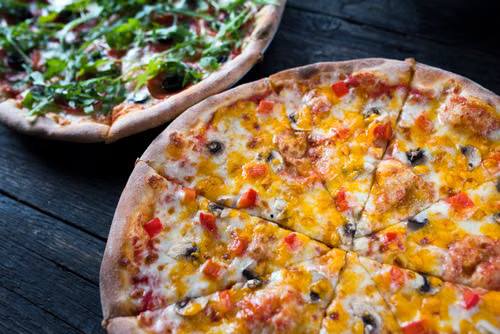
A few restaurants do build their kitchens around the label instead of just printing it. At The Tomato Shack Salad & Pizza Co, Manayunk, every sauce, dressing, and spread comes out of the kitchen gluten-free, as well as nut- and soy-free. Nothing on the menu advertises that loudly, which is the point. The safest kitchens tend to bake the standard into everything rather than flagging one special item. Here is what most menus keep quiet about.
A Gluten-Free Menu Label Is a Claim, Not a Guarantee
No inspector walks into a restaurant and verifies the GF symbols on its menu. The kitchen decides what earns the label, and standards swing wildly from one place to the next. One restaurant might mean a fully separated prep process. Another might mean the dish contains no obvious wheat, as far as anyone remembers. Both print the same symbol.
The menu will never tell you which version you are getting. Only the kitchen can, and only if someone there actually knows. That is an uncomfortable thought when your health depends on the difference, yet it is the reality of eating out.
The Shared Fryer Problem No Menu Ever Prints
Fries seem safe. Potatoes, oil, salt. What the menu leaves out is that those fries often share a fryer with breaded chicken, mozzarella sticks, and battered everything else. The oil carries gluten from one food to the next all day long, and the fries come out looking the same.
Shared fryers cause more accidental gluten exposure in restaurants than almost anything else, and no menu in the country lists its fryer setup. The dish description reads clean. The cooking method is the problem. You only learn about it by asking, which most people never think to do.
Gluten Friendly and Other Menu Words That Mean Less Than You Think
Watch for the phrase gluten friendly. It sounds warm and reassuring. In practice, it is often a quiet legal hedge. The restaurant tells you the dish is made without gluten ingredients, while admitting the kitchen cannot rule out contact with flour or crumbs. Gluten-sensitive options and low-gluten choices fall into the same category.
Here is the catch. None of these phrases are lies. They are careful wording, and careful wording exists for a reason. A menu that hedges is telling you something about its kitchen, just not directly. Perhaps that hedging is more honest than a confident GF symbol with nothing behind it. It still leaves you doing the detective work.
Supplier Ingredients Hide Behind Simple Menu Descriptions
A menu says house salad with balsamic dressing. Sounds harmless. What it does not say is whether that dressing came from a bulk supplier tub with a thickener list nobody on staff has read. Wheat hides in dressings, marinades, soup bases, spice blends, and sauces that arrive at restaurants premade. The menu describes the flavor, never the sourcing.
This is where scratch kitchens earn their keep. When a restaurant makes its own sauces and spreads on site, the people cooking can tell you what went into them. When everything ships in from a distributor, the menu description is the end of everyone’s knowledge. Same words on the page. Completely different level of certainty behind them.
Menu Phrases That Deserve a Second Look
Let’s break it down into the wording that should slow you down before you order:
- Gluten-friendly or gluten-conscious instead of gluten-free
- A single asterisk leading to fine print about shared equipment
- Crispy or golden on items that are almost always battered
- Chef’s sauce or house blend with no ingredient details anywhere.
- A gluten-free section with only one or two lonely items on it
None of these phrases prove a dish is unsafe. They mark the spots where the menu has stopped telling you the full story, and where a quick question fills the gap.
What a Trustworthy Gluten-Free Restaurant Looks Like Instead
The pattern flips at certain restaurants. Instead of one flagged dish surrounded by risk, the whole kitchen runs on ingredients that skip gluten from the start. Sauces made without wheat. Dressings mixed on site from known components. Staff who answer contamination questions without going pale or getting defensive.
You cannot spot that restaurant from a menu alone, which is a little frustrating. You spot it by how the place responds when you push past the printed page. Call before you visit. Ask how the dressings get made. Ask what shares the prep space. A kitchen with real standards will sound almost relieved that you asked, because it finally gets credit for work the menu never shows.
The next time you search gluten-free restaurants near me, treat the results as a starting list rather than a verdict. The menu tells you what a restaurant hopes you will order. The answers to your questions tell you whether you can trust it. Those two things overlap far less often than they should, and knowing the difference is what keeps eating out enjoyable instead of stressful.
