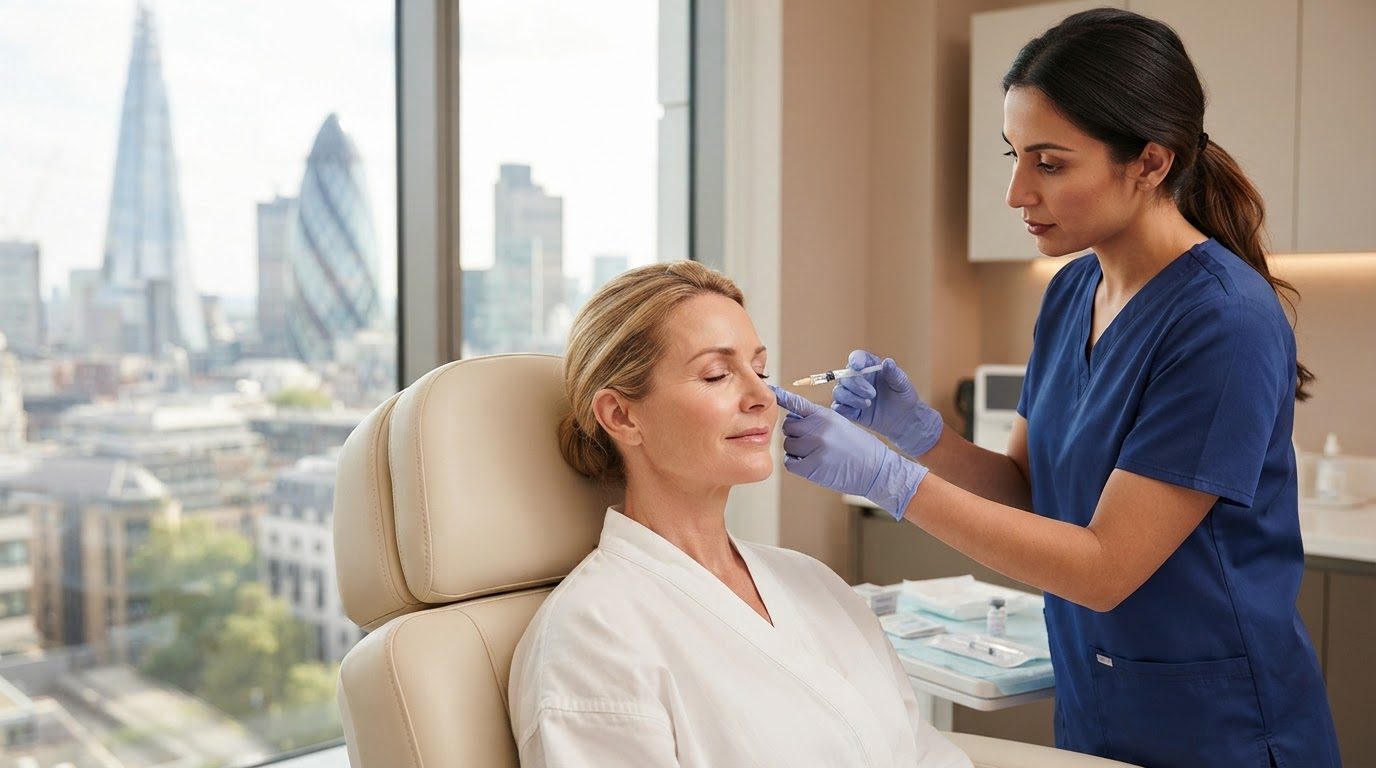
London, a global hub for aesthetic innovation, has seen a significant surge in demand for Botox treatments. This reflects a growing desire for effective, non-surgical solutions to combat the visible signs of aging. However, the competitive landscape necessitates a discerning approach when selecting a clinic and practitioner. This guide aims to provide an authoritative overview, empowering individuals to make informed decisions for safe and natural-looking results.
The Science Behind Botox: How it Works for Wrinkle Reduction
Botox, a brand name for Botulinum Toxin Type A, is a neurotoxin derived from Clostridium botulinum. When precisely injected in minute quantities, it temporarily blocks nerve signals to specific muscles, preventing them from contracting. This targeted muscle relaxation is the core mechanism by which Botox reduces the appearance of dynamic wrinkles – those formed by repetitive facial expressions such as frowning, squinting, and smiling.
The effects of Botox are temporary, typically lasting between three to six months. As the nerve endings regenerate, muscle activity gradually returns, and wrinkles may reappear, necessitating follow-up treatments to maintain results. Common misconceptions include the belief that Botox “freezes” the face or permanently alters facial expressions. In expert hands, the goal is always a refreshed, natural appearance, not a rigid one. The British Association of Aesthetic Plastic Surgeons (BAAPS) emphasizes the importance of understanding this temporary nature and managing expectations.
Finding the Right Practitioner: Key Considerations in London
The paramount consideration when seeking Botox in London is the qualification and experience of the practitioner. The aesthetic industry in the UK, while regulated, still allows for varying levels of expertise. Opting for doctor-led treatments is highly recommended, as medical doctors possess a comprehensive understanding of facial anatomy, potential complications, and emergency protocols. Look for practitioners registered with the General Medical Council (GMC) and clinics regulated by the Care Quality Commission (CQC).
When selecting a clinic, factors such as reputation, specialization, and patient testimonials are crucial. A reputable clinic will prioritize patient safety and ethical practice. For instance, Define Clinic – London exemplifies a commitment to medical excellence and personalized care in the heart of the city. A thorough initial consultation is non-negotiable. During this session, the practitioner should assess your facial structure, discuss your aesthetic goals, explain the treatment process, and outline any potential risks or side effects. This collaborative approach ensures a personalized treatment plan tailored to your individual needs and desired outcomes.
What to Expect: The Botox Treatment Journey
The Botox treatment journey typically begins with a detailed consultation. This involves a medical history review, an assessment of your facial dynamics, and a discussion of your aesthetic aspirations. The practitioner will identify the specific muscles responsible for your wrinkles and determine the appropriate dosage and injection sites.
The injection procedure itself is relatively quick, usually lasting between 10 to 20 minutes. Fine needles are used to administer small amounts of Botox into the targeted muscles. Common treatment areas include:
- Glabellar lines: The “11” lines between the eyebrows.
- Forehead lines: Horizontal lines across the forehead.
- Crow’s feet: Lines at the outer corners of the eyes.
Discomfort is generally minimal, often described as a slight pinch. Post-treatment care instructions typically include avoiding strenuous exercise, lying flat, and rubbing the treated areas for a few hours. Downtime is usually negligible, with most individuals able to resume their normal activities immediately. Minor bruising or swelling at the injection sites can occur but typically resolves within a few days. Achieving natural-looking results is a hallmark of skilled practitioners, who aim to soften lines while preserving natural facial expressions, avoiding the dreaded “frozen” look.
Cost of Botox in London and Value for Money
The cost of Botox in London can vary significantly, generally ranging from £185 to £400 per area, or per “unit” if priced that way. However, it’s crucial to understand that pricing structures differ between clinics. Factors influencing the overall cost include:
- Clinic location: Harley Street clinics, for example, often have higher overheads.
- Practitioner experience and reputation: Highly sought-after doctors may charge more.
- Number of units required: This depends on the individual’s muscle strength and the extent of the wrinkles.
- Included services: Some clinics include follow-up appointments and touch-ups in the initial price.
While it can be tempting to opt for the lowest price, prioritizing safety and quality over cost is paramount. Inexpensive treatments may indicate less experienced practitioners or diluted products, potentially leading to suboptimal results or increased risks. Investing in a qualified and reputable practitioner ensures not only effective results but also a safer treatment experience. For a comprehensive overview of local providers and their services, exploring options on platforms like botox london can be a useful starting point.
Beyond Wrinkles: Other Uses of Botox
While primarily known for its anti-wrinkle applications, Botox has a range of therapeutic uses that extend beyond cosmetic enhancements. In London clinics, it is increasingly being utilized for conditions such as:
- Hyperhidrosis: Excessive sweating, particularly in the underarms, palms, and soles of the feet. Botox injections can temporarily block the nerve signals that stimulate sweat glands.
- Chronic migraines: For individuals experiencing chronic migraines (15 or more headache days a month), Botox can help reduce the frequency and severity of headaches.
- Bruxism: Teeth grinding and jaw clenching can be alleviated by injecting Botox into the masseter muscles, reducing their strength.
Another evolving concept is “Baby Botox,” which involves using smaller doses of Botox to achieve a more subtle, preventative effect. This approach aims to relax muscles just enough to prevent deep lines from forming, without completely inhibiting movement, appealing to younger individuals or those seeking a very natural enhancement. This nuanced application highlights the versatility of Botox when administered by skilled professionals.
