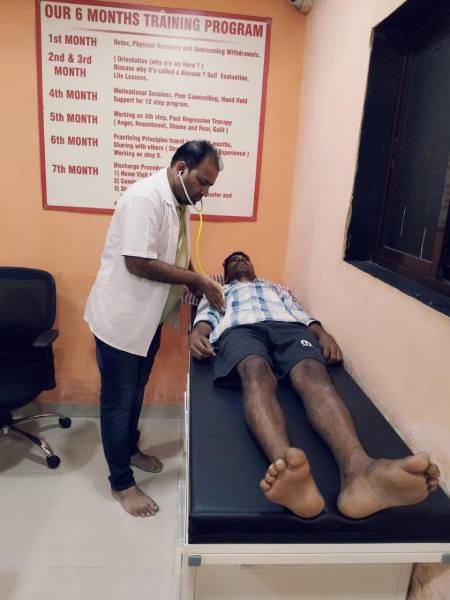
Most people don’t walk into rehab the day they decide to. They circle it for quiet some time. A wife covers for her husband at work, a father tells himself his son is just going through a phase, and the problem quietly digs in deeper. An affordable rehabilitation centre in Mumbai exists for the moment the waiting finally cracks, with medical care and a daily routine that treat addiction as the health condition it is.
None of it works without stability first. An affordable rehabilitation centre in Mumbai puts the doctors and the counsellors in one building, so the brutal opening days have some shape to them. Body first. Get someone through detox in safe hands, then let the mind catch up.
When the Waiting Finally Cracks
Families almost always know before they admit it. The sleep goes. Money gets strange, tempers fray, and a person starts disappearing into themselves. Residential care takes that low static of worry and turns it into something you can act on, run by people who have sat through the same slow unravelling hundreds of times.
The first days are the dangerous ones. Stop alcohol or certain drugs too fast and the body can revolt, sometimes hard enough to threaten a life. Constant monitoring and the right medicines blunt the worst of it. What supervised care really buys is this. Nobody goes through the frightening part alone.
What’s Actually Driving It
Putting the bottle down looks like the whole job. It isn’t. Something started the using, and it rarely fades on its own. Could be grief nobody dealt with. Could be a depression sitting quietly underneath for years. Stronger programmes wrap one plan around both the addiction and whatever is feeding it.
One counselling session a week was never going to carry that. Good treatment layers things. Medical oversight, talking therapy, and the slower work of calming a nervous system that has been running hot for months. A normal week pulls from a few core supports:
- Daily medical checks, tracking the withdrawal and adjusting as the body settles.
- Counselling one to one. This is where the real triggers surface.
- Family and group sessions, rebuilding the trust addiction burned through.
- Sleep, meditation, time outdoors. Small things, put on the timetable for a reason.
How Ordinary Days Rebuild a Person
Addiction loves chaos and empty hours. A fixed rhythm of meals, therapy, exercise and a proper bedtime slowly hands back the discipline that years of using wore down. Encouragement does quiet work here too. When staff treat a rough day as just a rough day, people stop bolting the second their nerve fails.
Sobriety isn’t the only thing that comes back. Time does. The head clears. Doors that addiction slammed shut start to ease open, and people walk back toward jobs they had written off and children who had stopped expecting much. That returning sense of why becomes the sturdiest guard against the next slip.
Questions Families Ask First
How much does rehab in Mumbai usually cost?
It moves with a few things, mainly the length of stay, the kind of programme and what the centre provides. Many run tiered options, so a family can pick a level that fits the budget.
How long does inpatient treatment normally last?
Most residential stays run 30 to 90 days. The right number depends on the substance, how long it has gone on, and whether a mental health condition sits underneath. A shorter stay covers detox and getting stable. A longer one buys room for deeper therapy and habits that hold up afterwards.
Is it safe to stop drinking or using drugs at home?
Quitting alcohol or some drugs cold, with no medical support, can be genuinely dangerous and sometimes fatal. The body can throw seizures or heart trouble, or pitch into severe distress. Supervised detox watches for that and manages it. Anyone facing serious symptoms, or any thought of suicide, needs emergency services right away.
Taking the First Real Step
Recovery doesn’t move in a straight line, and nobody should walk in expecting it to. What matters is starting somewhere safe, with people who treat addiction as an illness and the person as a person. If someone close is going under, the next move is small but it counts. Reach out to a qualified mental health professional or a registered de-addiction centre nearby, and make that call today.
Featured Image Source: https://drive.google.com/file/d/1Qq7cJpdedj36KsdI91semIbPNhivyTEH/view?usp=drive_link
